Designing is projecting a new reality that is desirable for both people and business
My vision of design
Design transforms what exists today into a future version that is more desirable, valuable, and sustainable. To design is to project a path toward what should, could, or we want things to be.
This approach lets me navigate uncertainty with a focus on the future without losing sight of the present.
I’ve applied this approach in sectors like banking, healthcare, and telecommunications, where the challenge is aligning business, people and technology in complex environments.
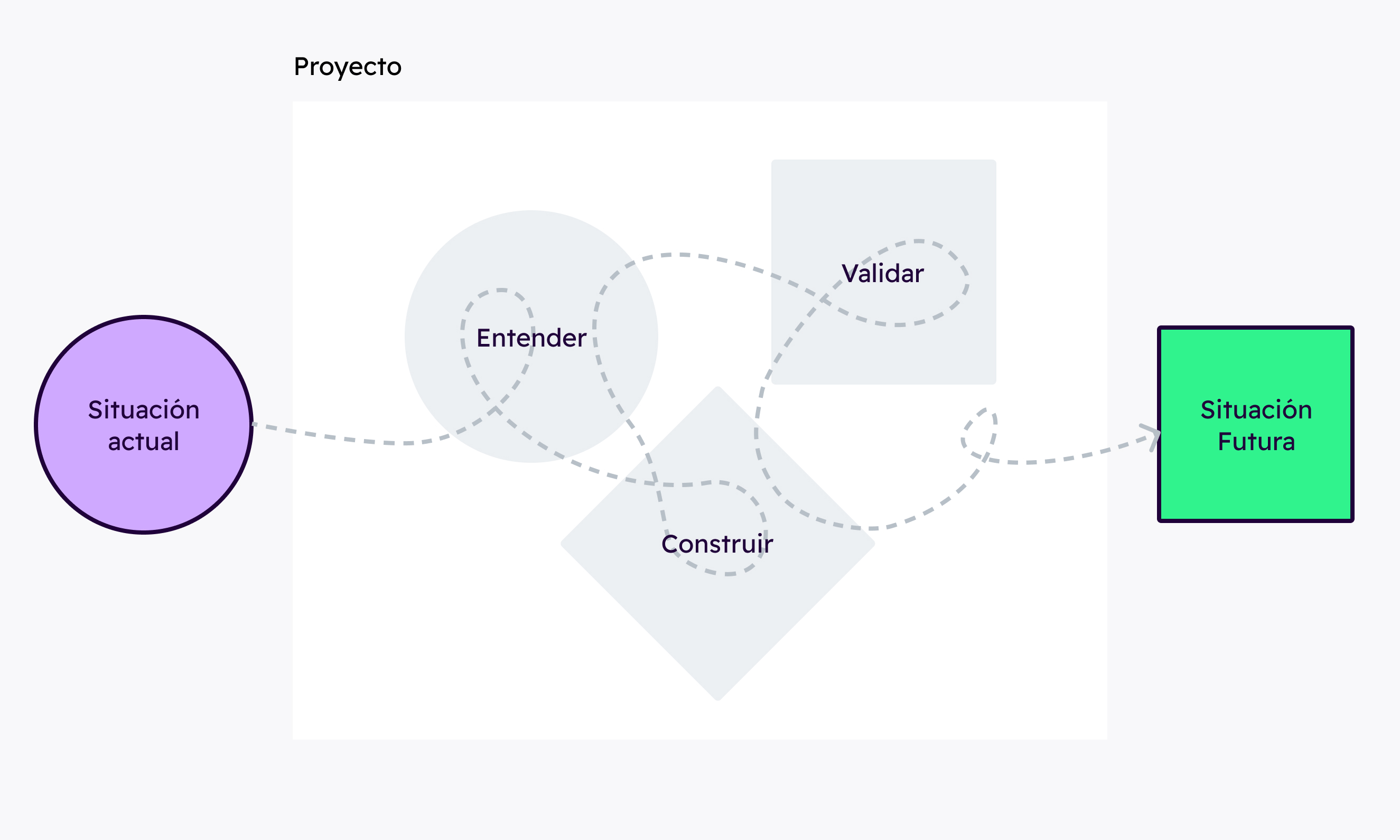
Problem > Solution > Validation
I design through three spaces that constantly feed into each other:
Understand
I navigate initial ambiguity through research, data analysis, and conversations with stakeholders to understand the full system and find opportunities.
Build
I co-design with multidisciplinary teams, balancing strategic vision with what's desirable, feasible and viable in the market.
Validate
I use prototypes, MVPs, or pilots to test design hypotheses, iterate on evidence and measure impact on business and experience goals.
This approach adapts to any framework, allowing me to work on projects using Design Thinking, Lean, or even Waterfall without losing sight of what matters.
Collaboration and alignment
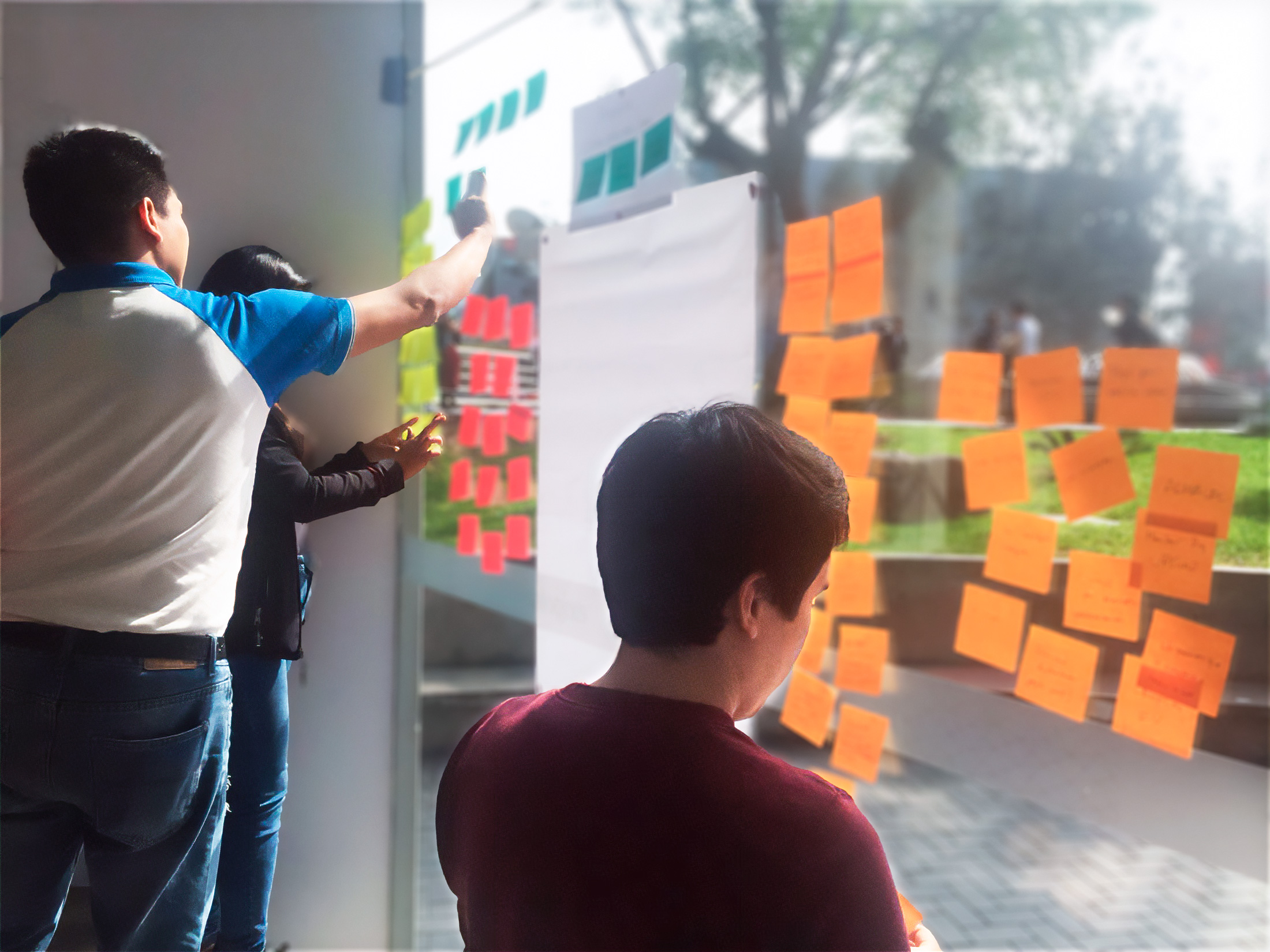
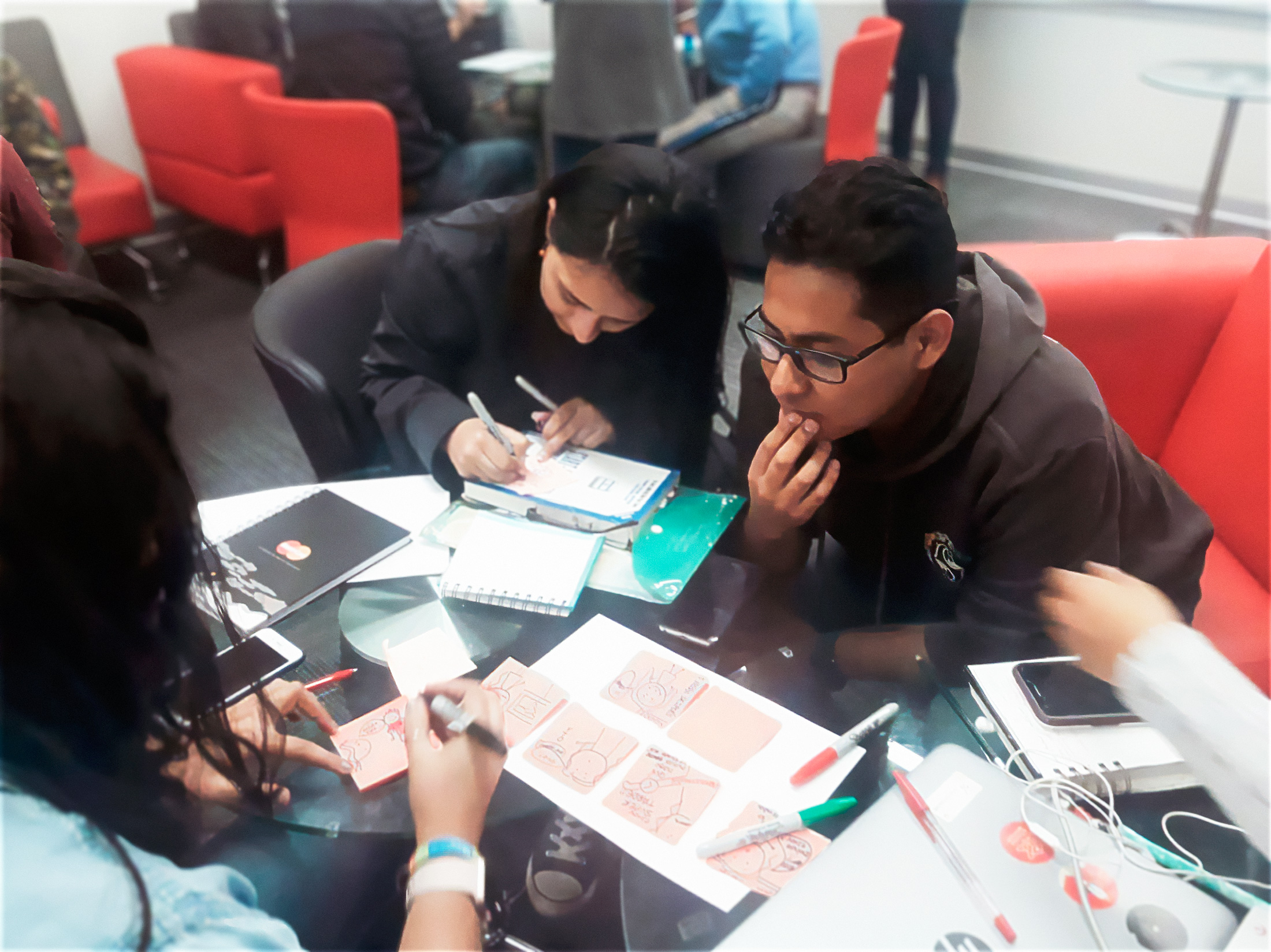
Facilitating workshops
I promote collaboration at multiple levels as a tool for strategic alignment and solution ownership.
I facilitate workshops with business, technology, and legal teams to turn friction into focus: from defining strategy to assessing risks and critical decisions.
In high-uncertainty contexts, designing means knowing how to orchestrate conversations others don’t dare to have.
I research, then I decide
Data as a pillar of strategic design
Design can start from intuition, but it needs evidence to hold up. Even the most promising ideas must be tested against data.
I use qualitative research, behavioral analysis, and KPIs to uncover opportunities, identify patterns and measure the impact of design.